
As of January 27, 2026, major decentralized autonomous organizations (DAOs) reshaped governance and token economics in 2025. Protocols such as Uniswap, Lido, Aave, and Arbitrum introduced buybacks, fee switches, and operational frameworks, giving token holders tangible value while consolidating control among core teams.
Uniswap launched the DUNI system, burning $600 million of UNI in the process, and turned on its fee switch. Meanwhile, Lido initiated a buyback program, while Aave started having repurchases of the AAVE token.
This was followed by a pause on governance (6 months) in the case of Jupiter and a change in the governance structure (shift to a CEO-mode of operation in the case of Scroll).
Arbitrum established a single operational body. In the process, the move away from pure decentralization towards a hybrid configuration was observed, in which operational execution is now in the hands of a core team while the community is democratically in charge.
Governance Concentrates Among Delegates
Voter engagement at all DAOs decreased in 2025, with voting power per engaged voter still remaining high. Pink Brains, an Aave active community delegate, indicated that she recorded 725 votes for 18 protocols, representing a total of over 8 million voting power according to her records (and was one of the most active delegates across Aave, Lido, Velora, and Gnosis).

The overall takeaway is that good governance is being dominated by a smaller number of heavy professional delegates, and casual tokenholders are playing a much more watered-down oversight role. Arbitrum and Uniswap maintained the strongest level of overall participation, but most protocols saw a declining number of total voters.
Lido gained in participation after implementing its dual governance model, demonstrating the benefit of properly aligned incentives to participate at a governance level.

Economic Mechanisms Drive DAO Participation and Incentives
Economic considerations emerged as a dominant theme for DAOs around this time. All the above mechanisms, buybacks, burns, and fee switches, reduce tokens in supply and incentivise token holders, on the one hand, and encourage governance participation, on the other. Coin winners, CoW Protocol increased the profitability of solvers; token holders gained.
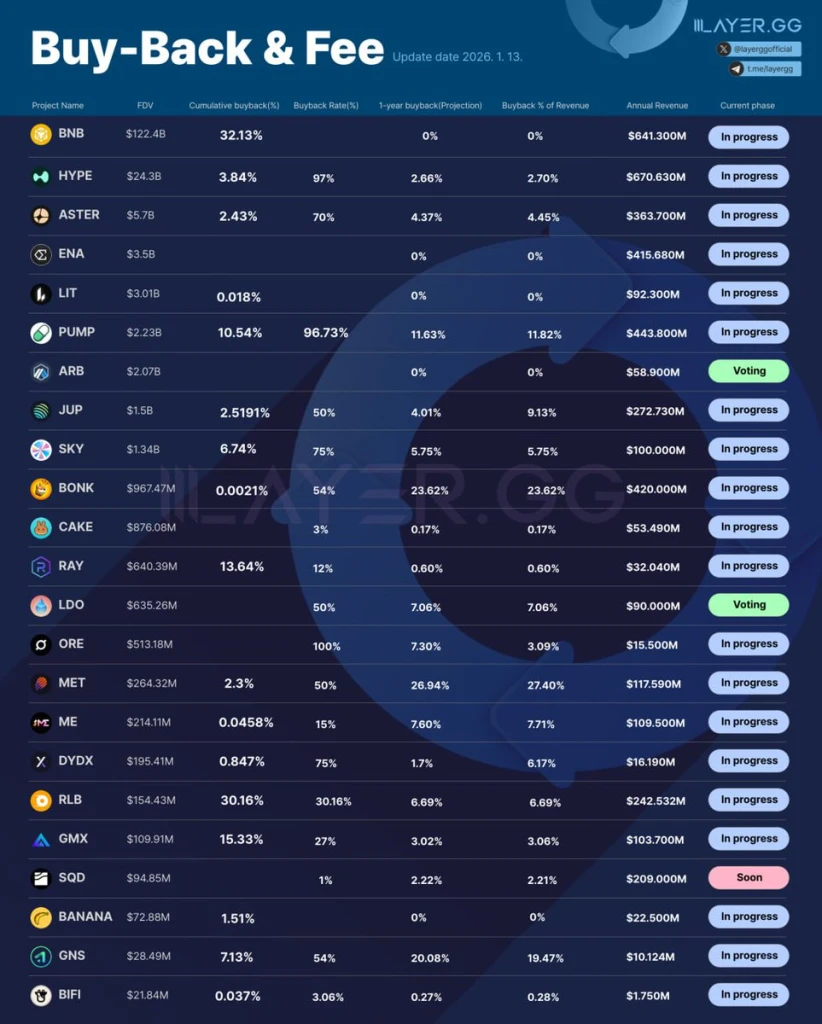
By 2026, DAOs are likely to be best-in-class professional organizations. While their core action will focus on strategic decisions, governance will clearly delineate (albeit with some overlaps) execution from strategy; AI-enhanced tools and prediction markets will likely drive routine votes.
Legal rules will be really important too. We will see more of these DAO LLCs and Swiss entity models that make it clear what the rules are. People will also find ways to make money from these systems, like getting a reward for helping the protocol make money.
This will keep people involved in being a part of the ecosystem and helping to keep it safe. The value accrual mechanisms, such as staking tied to protocol cash flows, will be a part of this.
Also Read: Lido DAO (LDO) Price Faces Pressure as Chart Flags $0.69 Target
