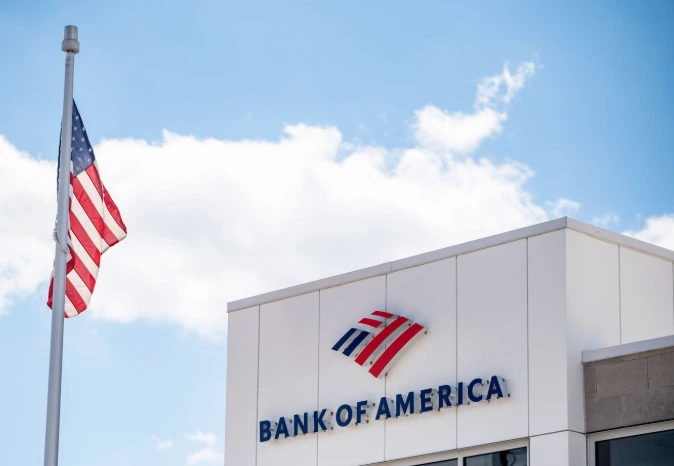
Bank of America has changed its forecast to three Federal Reserve interest rate increases by the end of the year, amounting to 75 basis points in increments of September, October, and December.
This decision comes after the Federal Reserve’s new Chair, Kevin Warsh, made a strongly hawkish statement on inflation and the increasing agreement among the members of the Federal Open Market Committee (FOMC).
Rare Consensus Builds Ahead Of Core PCE
The Bank of America economics group is currently forecasting 25bp rate increases at each of the last three 2026 FOMC meetings. At his first press conference, new Chair Kevin Warsh indicated that inflation control will be a major focus.
Nine FOMC members have also gone on record for supporting at least one rate increase this year. Deutsche Bank and CME FedWatch are the two major institutions that have also made similar moves, thus establishing a rare consensus among sell-side banks and markets. The core PCE inflation reading, which is the Fed’s most preferred measure of inflation, will be the next important economic release.
Also Read: Bank of America Expands Bitcoin ETF Holdings to $37 Million in Q1 Filing
Higher Rates Drain Risk Capital, Reshaping Crypto Funding
Increasing policy rates usually limit the amount of money available for risk assets and at the same time raise the discount rate applied to the valuation of future cash flows, which are Yes negative developments for highly volatile tokens. Per CoinShares, during the last hiking cycle in 2022-2023, digital asset ETPs recorded net outflows.
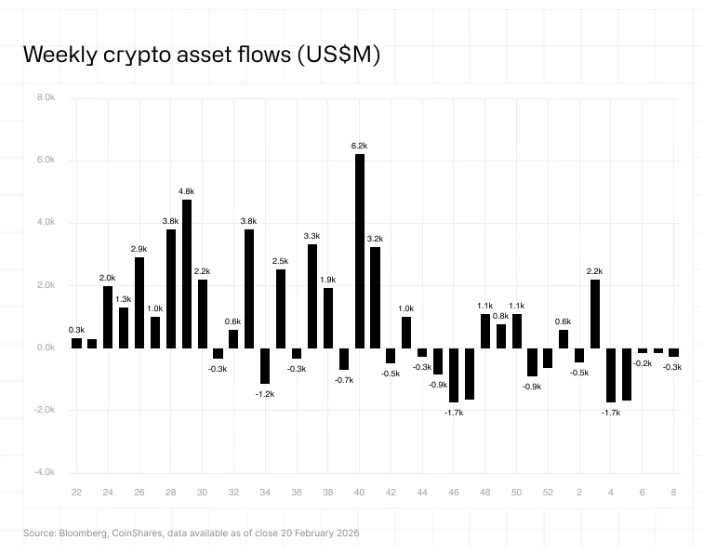
Institutions, ETFs, and exchanges will be in a more difficult capital environment; Though, stablecoin issuers may enjoy higher yields on their reserves. Developers could experience a decrease in venture funding, as the cost of capital is expected to increase.
Also Read: Bank of America’s 2026 Ethereum Breakthrough: Pioneering Crypto Mainstream Adoption
Broader Context And Market Dynamics
This change in direction is consistent with the larger picture in 2026, when one of the central banks’ main priorities will be inflation rather than growth. That is something that the easing in 2024-2025, which helped Bitcoin and Ethereum perform well, is quite the opposite.
From the regulators’ perspective, this move may reduce the intensity of digital asset regulation, but then again, it will be a test of liquidity on the chain.
Also Read: Bank of America Greenlights 1–4% Bitcoin Exposure Plan