The need for stablecoins that back the US dollar can reduce the value of currencies in one`s country if a major world exchange offers direct fiat pairs, according to findings of a recent research report by the Bank of Korea.
This is the study points out the issues of monetary sovereignty when the use of stablecoins becomes widespread in global transactions. In other words, stablecoins are crypto tokens that are pegged in dollar terms. Examples being USDT and USDC.
Dollar Exodus Accelerates
Demand for a weak Dollar the central bank of Korea analysed cases in which big exchanges like Coinbase and Binance offered direct stablecoin pairs of USD and local currency. The researchers noticed that funds moved from bank balances to U. S. dollar-based stablecoins, thereby restricting the availability of U. S. dollars in domestic markets.
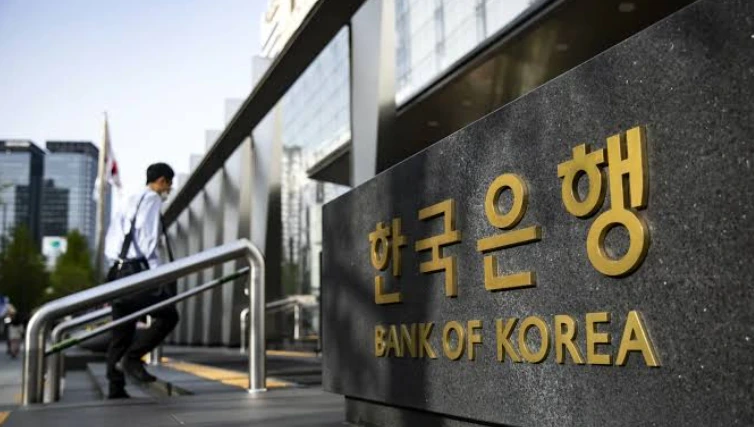
For market participants, the possibility of cutting of interest rate by the fed could reinforce this scenario, according to the Bank of Korea. Weaker dollar will make switching from cash to crypto a good option and at the same time would lead investment in digital assets and blockchain projects.
Also Read: Bank of Korea Backs Bank-Led Won Stablecoins as Bill Faces Delays
Who has pressure on StablesCoins?
The pressure on stablecoins is not only a problem for crypto traders, the Bank of Korea notes. Local banks too face a run on deposits, regulators are confused by a large inflow of capital, and blockchain platforms are getting more active through staking, the creation of NFTs, and cross-chain transfers.
These major movements in the market are being tracked by custodians developers venture companies, and issuers like the very ones responsible for issuing Tether and Circle coins.
If investors with Bitcoin and Ethereum-based spot ETFs are also affected, it is through the influence of stablecoin liquidity which can precede and even guide a broad move to take on higher risks.
Also Read: SUI Price Eyes $53 Rally as Kravata Brings Stablecoin Payments to Sui
Regulatory Action is on the Horizon
This is tied to an impressive rise in stablecoin circulation and changes to major macroeconomic policy. CME FedWatch data has September fed rates being lowered as a higher probability and a move like that could be the reason why institutions would take a liking to stablecoins.
At the moment, the government is not likely to come out with any significant measures like reserve requirements or limits.

Source: Binance
Also Read: BNB Price Targets $850 Breakout Amid Rising Binance Stablecoin Liquidity