Bhutan’s Gelephu Mindfulness City launched a new framework for crypto and fintech firms seeking faster market entry. The GMC crypto framework combines regulatory approval and corporate banking through one application, aiming to reduce delays that often follow licensing in other jurisdictions.
GMC said firms already licensed in Singapore, Abu Dhabi Global Market, or Hong Kong will qualify for an expedited review. The process recognizes companies that have already cleared requirements in established financial centers.
Also Read: Bhutan Steps Up Bitcoin Sales With Fresh 100 BTC Transfer
GMC Crypto Framework Combines Licensing and Banking
Within one framework, companies are able to incorporate a company, apply for regulatory approval, and obtain a corporate bank account. Companies that obtain a GMC license will also benefit from access to corporate banking via DK Bank.
The GMC crypto framework aims to solve the challenge that digital asset companies have been facing for ages. Some firms get approved by the regulator but have to wait months for bank accounts to be able to conduct day-to-day operations.
According to Jigdrel Singay, board member and digital assets and fintech lead at GMC, if institutions are credible entities from major jurisdictions, they should be able to go through this process quickly.
With the new integrated system, he said, approved companies would be able to become operational without having to face separate banking delays.
GMC also stated that approved companies will have access to multi-currency banking support across nine major currencies. Supported currencies include USD, EUR, GBP, SGD, INR, JPY, HKD, AUD, and BTN.
GMC Crypto Plan Includes Tax and VCC Benefits
Yu Dong Zheng, chief executive of DK Bank, said licensing remains one hurdle for companies in many financial centers. He said companies often run into the biggest obstacle: finding banks to open accounts for their businesses after receiving regulatory approval.
In addition, DK Bank will provide financial services related to digital assets. These include Bitcoin (BTC)-backed lending, crypto asset exchange, and fiat-to-crypto on- and off-ramp infrastructure.
It also encompasses various features such as tax incentives, territorial taxation, and variable capital companies under the GMC crypto framework. In Singapore, the VCC model is in use and accommodates flexible investment fund structures.
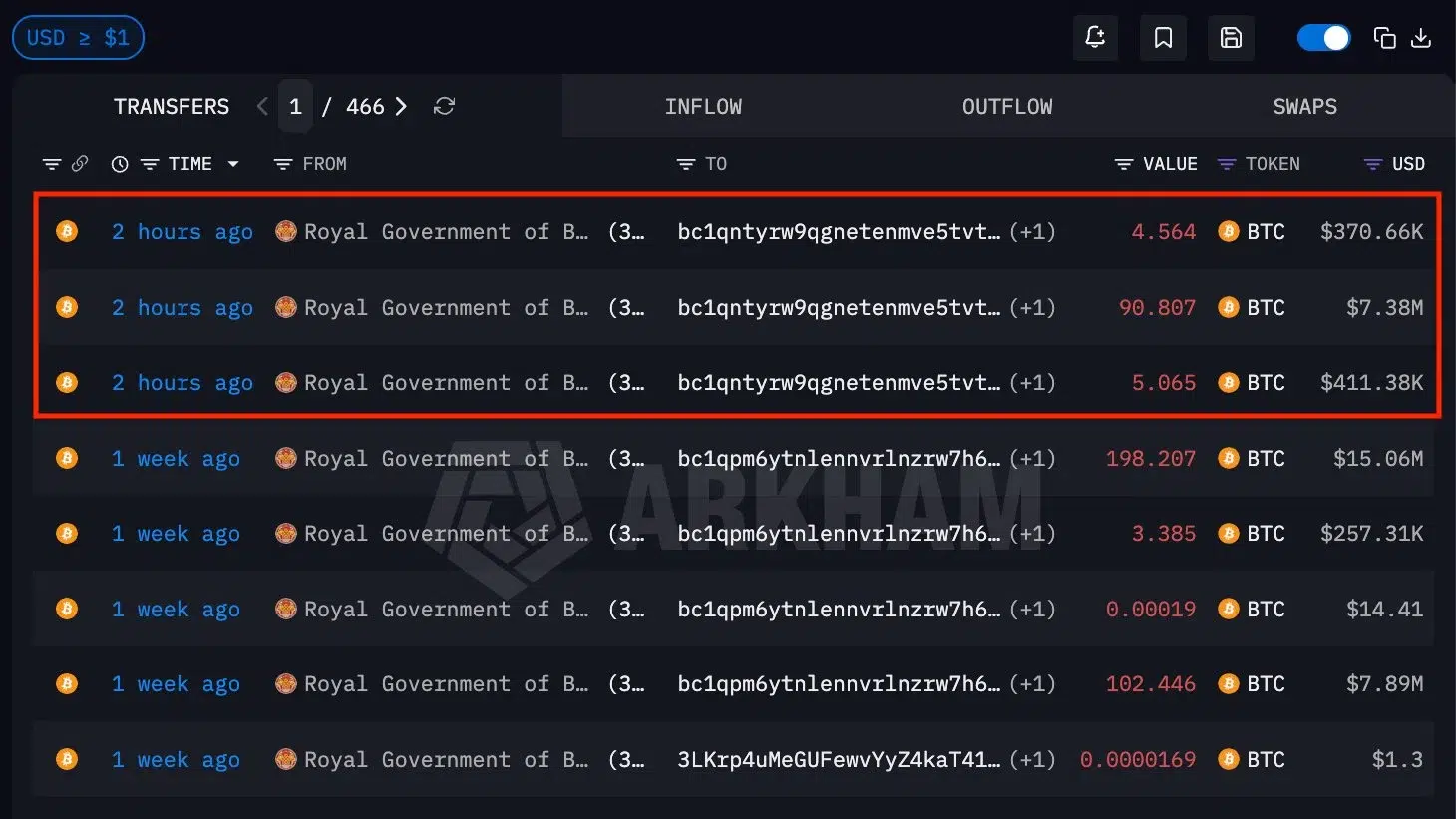
The announcement comes amid continued focus on Bhutan’s broader digital asset strategy. In 2026, outflows linked to Bitcoin from the Bhutanese government reached over $230 million after it reportedly transferred another 100 BTC.
GMC has already taken steps to build its role in digital assets. In 2025, it adopted cryptocurrencies as part of its strategic reserve framework.
Bhutan Links Bitcoin Strategy With GMC Growth
In December 2025, Bhutan committed a total of 10,000 BTC to build up the Special Administrative Region. It tied national Bitcoin holdings to the economic development plans of the country.
In early 2026, blockchain analytics platform Nansen revealed plans to open an office in the GMC. The step will boost infrastructure for digital assets and on-chain analytics, the company said.
Many of the crypto and fintech executives applauded GMC’s regulatory strategy and institutional framework. John Ge, co-founder and chief executive of BIT, said the structure lowers execution risk for companies entering new markets.
The GMC crypto framework indicates increasing competition between jurisdictions attempting to capture regulated digital asset businesses. This highlights how banking access has become one of the key issues for crypto firms, tokenization platforms, and institutional infrastructure providers.
Also Read: Grayscale Files Zcash ETF Plan for NYSE Arca Listing