The world of cybersecurity is being changed by artificial intelligence, raising the stakes for the next major crypto hack. Per Verizon’s 2026 Data Breach Investigations Report, cyber criminals are using generative AI to not only automate but also speed up the attacks, reducing the time during which defences can be effective from months to just a few hours.
The crypto and blockchain industries, which have been hit hard by a series of hacks of protocols and exchanges, now also face a new level of risk, as indicated by the report.
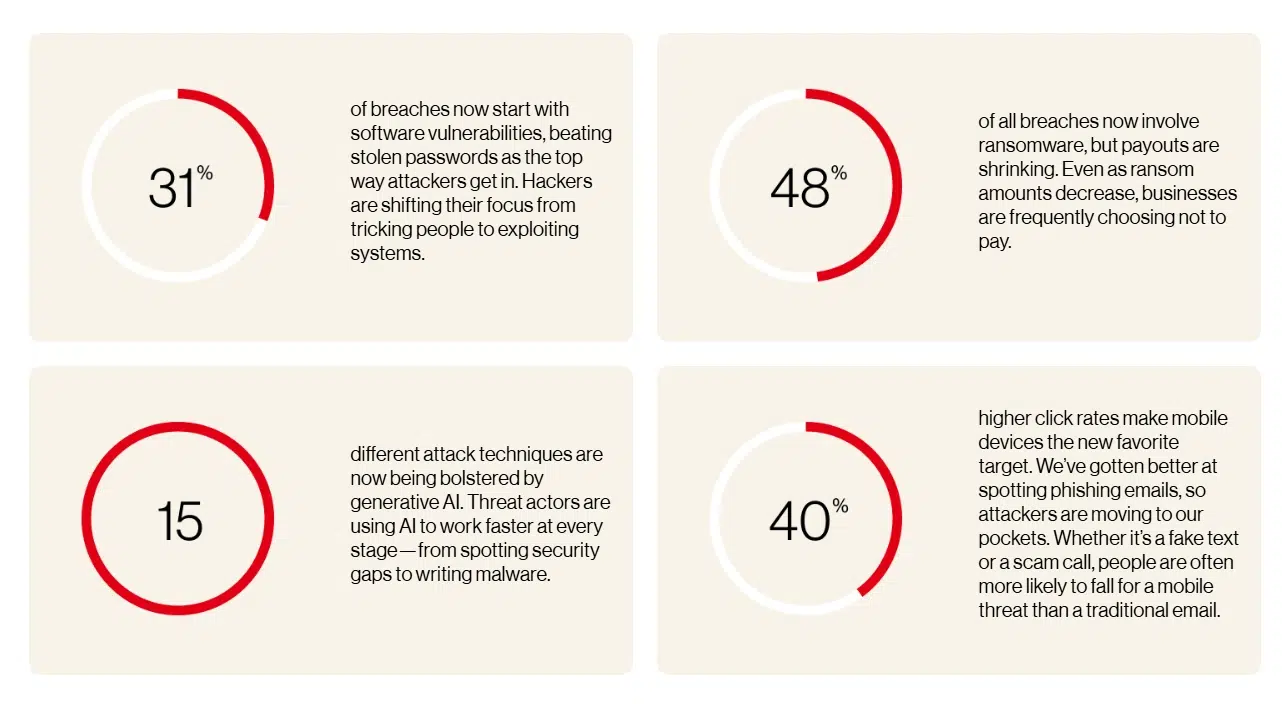
In fact, software vulnerabilities have become the number one method by which breaches happen, surpassing stolen credentials. And they were the cause of 31% of the more than 31,000 incidents studied.
Since decentralized finance platforms, wallets, and bridges hold billions of dollars in on-chain assets. The combination of AI tools and exploitable code is making digital asset security even more critical to prevent the next major crypto hacks.
AI Reshapes Attack Speed and Scale
Allying AI with threat actors, Verizon’s report remark that they use AI to their advantage through the whole attack chain: discovery, gaining access, and creation of malware.
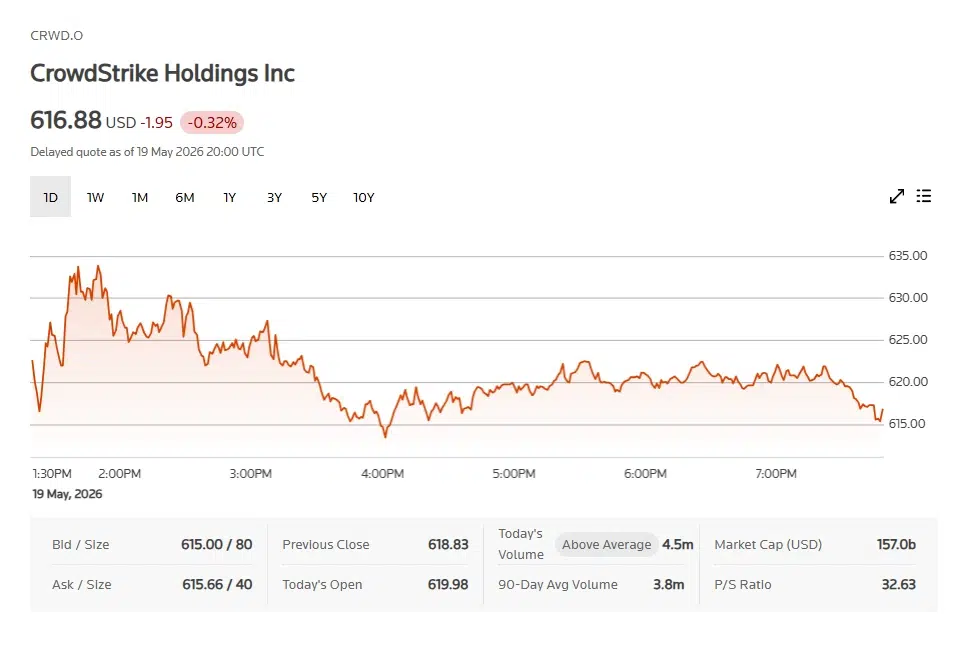
Because of this, it speeds up the exploitation of known vulnerabilities, limiting the period that organizations can patch smart contracts or backend infrastructure. CrowdStrike data referred to in the report indicates that AI-assisted threats raised attacks by 89% from 2024 to 2025.
Admittedly, Verizon states that AI’s effect is still mostly operational scaling techniques that defenders can recognize. Though the company cautions that this belief may quickly change as AI models continue to evolve.
The availability of powerful coding models like Anthropic’s Mythos, which is now in limited defensive testing with partners including Verizon, demonstrates how AI can very rapidly detect and exploit vulnerabilities. For blockchain networks, where even a small delay in taking corrective measures can lead to a major crypto hacks, this speed means permanent losses on the chain.
Also Read: Aave Liquidations Recover 90% After $293M Hack
Shadow AI Adds Another Layer of Risk
Inside Web3 Teams, besides hackers outside the company, the report identifies “Shadow AI” as the third most frequent non-malicious insider reason for data loss. For instance, when an employee uses unauthorized AI tools by submitting source code, architecture diagrams, or structured datasets.
The situation becomes a risk for the crypto firms who have proprietary smart contract logic, private keys, or exchange infrastructure. Data that, if leaked, it could directly enable crypto hacks.
Plus, a crypto industry which is based on open-source development and remote collaboration, ungoverned AI use can result in the leakage of sensitive inputs. It can come back as part of training data or outputs later on.
This is why AI governance through policies defining the permissible use of AI, endpoint monitoring, and secure development environments are turning into must-haves not only for the DAOs, Layer-1 foundations, but also for the custody providers.
Also Read: Ethereum Security Targets $1.5 Billion Hack Risk
Fighting AI With AI in Blockchain Security
Verizon’s Chief Information Security Officer, Nasrin Rezai, has suggested that the way forward is to “fight AI with AI.” For cryptocurrency security, it entails incorporating machine learning in the developer lifecycle of the software, scrutinizing Solidity and Rust codes automatically, spotting anomalies in the nodes instantly, and using AI in threat searching among the validators.

Many blockchain security companies have started to use large language models for sorting bug reports and illustrating possible attack routes. The issue is quite pressing: in the past few days, there have been several crypto hacks, DeFi exploits, and bridge breaches, which have brought to light the reality that attackers are now way ahead of the manual review process.
Also Read: THORChain Hack Drains $10M+ as RUNE Drops 10%: ZachXBT
Crypto Hack Deadline
In the end, the Verizon findings do not indicate a new class of zero-day vulnerabilities. Yet, they do highlight a shrinkage of reaction time that crypto projects can hardly afford, where a single crypto hack can erase years of user trust.
Balancing transparency with a secure DevSecOps environment, addressing the risk of Shadow AI, and providing defensive AI tools are essential elements of a resilient protocol.
As privacy coins, DeFi, and institutional custody grow, the industry’s capability to change its security posture will be the deciding factor in whether innovation surpasses the next crypto hack.
Also Read: Ethereum Exploit: Verus-Ethereum Bridge Suffers $11.4 Million Hack