• Skip to primary navigation
  • Skip to main content
  • Skip to primary sidebar
  • Skip to footer
  • About TronWeekly
  • Write for us
  • Terms and Conditions
  • Privacy Policy
  • Disclaimer
  • Contact
  • All Posts
  • Advertise

TronWeekly

Crypto World News

  • Home
  • Latest News
  • Opinion
    • Education
    • Best TRON Wallets
    • Beginner’s guide to TRON
    • Tron Tokens
    • Market Analysis
  • Industry
    • Tron Exchange
    • Project Review
  • Press Release
  • Bitcoin (BTC)
  • Ripple (XRP)
  • Advertise
  • About TronWeekly
    • The Team
    • Editorial Policy
    • Write for us
    • Privacy Policy
    • Disclaimer
    • Terms and Conditions
    • Contact
You are here: Home / Cryptocurrency News / Ethereum’s Bold Shift to RISC-V: Vitalik Buterin Unveils Game-Changing Upgrade

Ethereum’s Bold Shift to RISC-V: Vitalik Buterin Unveils Game-Changing Upgrade

What to know:

  • Ethereum shifts from eWASM to RISC-V to better support zkEVM and SNARKs.
  • Developer tooling and standardization have improved, but Solidity tutorials and ZK tooling still lag behind.
  • Mini-apps and user-friendly ecosystems are growing, but walled gardens and wallet lock-in remain challenges.

By Usman Zafar | Edited By Messam Raza,December 29, 2025, 5:00 PM

Ethereum

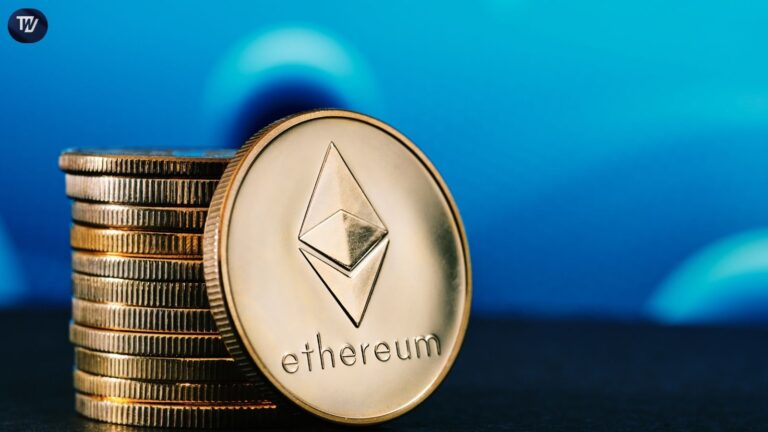
Ethereum co-founder Vitalik Buterin has revealed why the network is abandoning eWASM in favor of RISC-V. In a fireside chat at Pragma Taipei 2025, Buterin explained that the original plan to replace the Ethereum Virtual Machine (EVM) with eWASM faced significant delays, particularly due to setbacks with “The Merge” and the growing importance of SNARKs.

To ensure Ethereum remains compatible with zkEVM implementations, RISC-V is now being positioned as the future standard. This shift reflects Ethereum’s broader goal of enabling more efficient and privacy-focused smart contract execution across its ecosystem.

Developer Tools See Progress, but Gaps Remain

Developers working on Ethereum have seen meaningful improvements in the past 18 months, as indicated by comments from Pragma Taipei speakers. The development time from idea to functional MVP has been shortened by Web3.js libraries such as Foundry. Some challenges were emphasized by Buterin as well.

Most of the tutorials for writing code in Solidity are outdated, while solutions for zero-knowledge (ZK) smart contracts are falling behind. Large language models (LLMs) can assist developers in writing code, but, being based on outdated training sets, they overlook updated smart contract patterns and updated libraries.

However, Buterin’s advice for the network is to concentrate on improving standard libraries and simplifying main workflows. This would include easier upgradeability of contracts, integration of oracle functionality, and ERC-20/native tokens. Most of these will be aimed at developers trying to take advantage of new technologies such as enhanced ZK apps.

Rise of Mini-Apps Boosts Ethereum’s Usability

The Ethereum environment is evolving with small apps and user-oriented projects. Projects such as the World Coin Ecosystem and Forecaster allow developers to create apps that are integrated with the blockchain without signing up in the usual manner involving email addresses. Games and payment apps are also gaining popularity.

Despite this progress, problems remain. Buterin spoke about walled gardens and lock-in wallets in which a user is required to utilize the same wallet client. While open-source initiatives can solve this problem, financial gain drives platforms towards building in-house solutions rather than benefiting the community as a whole.

The future success of Ethereum will rely on finding a balance between being decentralized and being user-friendly, ensuring that it is easy for individuals to switch between their wallets and clients.

Also Read: Ethereum Lags Behind Bitcoin as Past Cycle Pattern Repeats in 2025

Filed Under: Cryptocurrency News, Ethereum (ETH)

About Usman Zafar

Usman Zafar is a News Desk writer at Tronweekly with over five years of experience in cryptocurrency and blockchain journalism. He covers Bitcoin, Ethereum, DeFi, crypto laws and regulation, market activity, Layer 2 scaling solutions, and blockchain-based innovations, focusing on fast-moving developments and official industry updates. Usman previously wrote for BTCread and follows strict verification and editing practices to ensure accurate, timely, and responsible crypto news for a global audience.

Primary Sidebar

Recent Posts

  • Tokenized Equities Face SEC Delay as Regulators Seek Shareholder Rights Clarity 2026 May 25, 2026
  • Stablecoin Payments and Tokenization Could Redefine Finance, Says Coinbase CEO May 25, 2026
  • XRP Price Consolidation Near End As $56 Target Enters Focus May 25, 2026
  • Litecoin Price Eyes $70 Break as Analyst Flags Major Expansion Setup May 25, 2026
  • Ethereum Price Analysis: Can ETH Break $2,150 and Rally Toward $2,250? May 25, 2026

Footer

News

  • Latest News
  • Altcoin News
  • Bitcoin (BTC)
  • Blockchain
  • Tron (TRX)
  • World

Digest

  • Meet the Founder
  • Price Winning Article
  • DeFi
  • Cyber Security
  • Crypto Scam

Industry

  • Project Review
  • Technology
  • Fintech
  • Tron Exchange
  • New in Town

Tron Universe

  • Event and Tron Parties
  • New in Town
  • Tron Tokens

FOLLOW US

  • Facebook
  • Telegram
  • Twitter
  • Linkedin

Editorial Policy | Privacy Policy | Disclaimer | Terms and Conditions | Masthead

Copyright © 2026 · Tron Weekly. All Rights Reserved. NOTE: Tron Weekly is an independent crypto news site that adheres to the strict journalism policy anchored on transparency, trust, and objectivity, we have no affiliation with the TRON Foundation, its founder Justin Sun or any other cryptocurrency firm.