OpenAI has signed a 20-year lease for an Ohio data center beginning in 2028. NVIDIA is backing the project with financial commitments capped at $105 billion. SB Energy will build and operate the planned campus.
The agreement covers the PORTS Technology Campus in Ohio. The site will serve as a large artificial intelligence data center. OpenAI will use the computing capacity available at the facility.
NVIDIA said the project will feature its full-stack DSX AI factory platform. The system includes GPUs, CPUs, and networking technology. These components will support the facility’s AI computing infrastructure.
Also Read: World Liberty Financial Wallet Sends 39 Million WLFI to Bybit
Why NVIDIA Is Backing OpenAI’s Ohio Campus With $105B
The chipmaker secured an initial 4.25 IT-GW of capacity under the arrangement. It can also take the remaining 3.75 IT-GW at the campus. That option would raise its total capacity to eight IT-GW.
NVIDIA disclosed the financial commitment in a filing with the US Securities and Exchange Commission. The total payment amount for the initial agreement is limited to $105 billion. The document has provided details about the mechanism behind the lease guarantee.
NVIDIA may have to pay any deficit amount in case OpenAI fails in meeting the lease conditions. The payment will be based on the guaranteed minimum amount after recoveries. Such recoveries can take place from replacement leases or asset sales.
This arrangement comes amid the rising demand for artificial intelligence infrastructure. NVIDIA pointed out that the use of artificial intelligence was moving from a technology to an infrastructure.
How NVIDIA Can Resell OpenAI Unused Capacity
In a post on X, NVIDIA CEO Jensen Huang addressed concerns that the agreement involved circular financing. He said OpenAI would remain responsible for paying the lease. NVIDIA’s role would support the project through its financial guarantee.
Huang said that the computing power could be sold off if the tenant failed to move forward. He also noted that NVIDIA compute was common and fit the needs of different customers. Possible purchasers might be cloud service providers, businesses, AI labs, and startups.
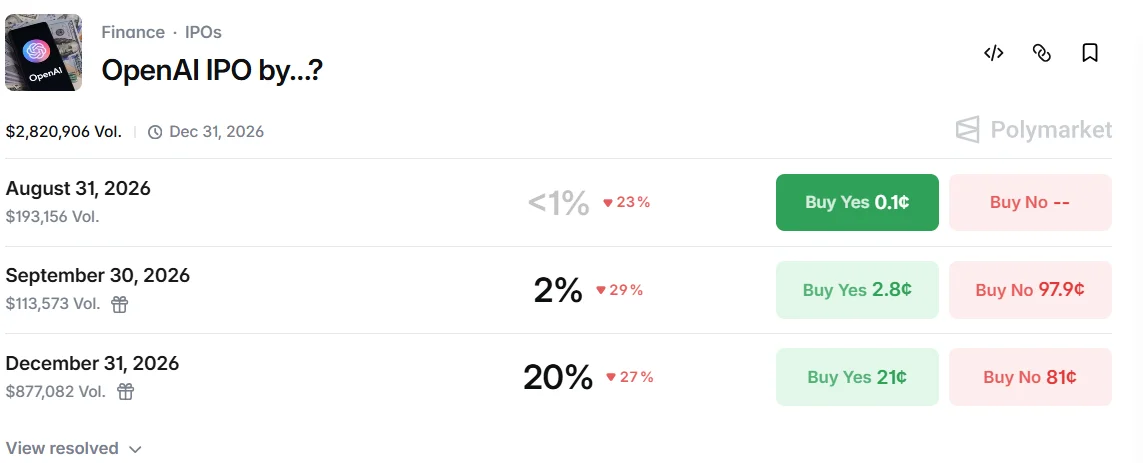
The deal comes at a time when speculations about an OpenAI initial public offering remain rife. Polymarket showed a 20% chance of the firm making a listing in 2026. The AI developer has yet to reveal a timetable for its IPO.
Huang referred to the PORTS-Pike deal as the next phase of the development of NVIDIA. He pointed out that the firm began with chipsets before branching into other technological capabilities such as systems, networking, CUDA, and full-fledged AI factories.
What NVIDIA Will Provide at OpenAI’s Ohio Campus
The CEO described NVIDIA as an all-stack artificial intelligence infrastructure platform with technologies from hardware to software to connectivity and computing. The OpenAI project will bring together all these technologies in one vast campus in Ohio.
NVIDIA has released its Nemotron 3.5 Lightning AI model that is open-source. Huang has also expressed support for open artificial intelligence models. The release adds to the company’s broader focus on AI hardware and software.
Also Read: Alibaba Gaming Sale Nears $1.5 Billion as Company Shifts Focus to AI