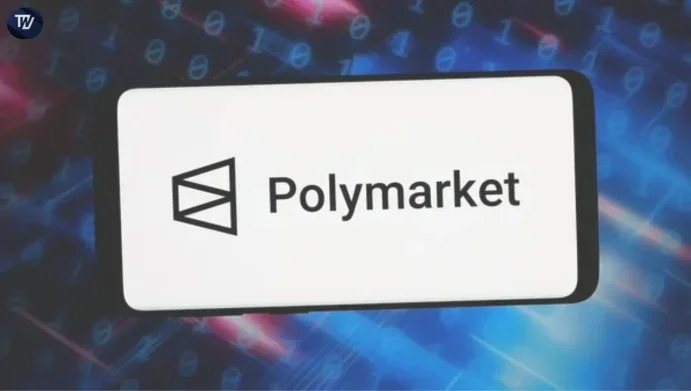
Polymarket has enabled instant self-custodial Bitcoin deposits through the Lightning Network, using payment infrastructure from Spark. The upgrade offers a quicker BTC deposit pathway to the prediction market platform than earlier on-chain transfer pathways.
According to Spark, the feature makes Bitcoin deposits possible within seconds. This new approach ensures greater speed and privacy as compared to the conventional process of depositing on-chain.
The update provides a quicker solution than the existing on-chain Bitcoin deposit route introduced in October 2025, which took three to six Bitcoin network confirmations before the funds were accessible.
Also Read: SpaceX IPO Drives Elon Musk’s Net Worth Below $1 Trillion After Stock Slump
How Spark Speeds Up Bitcoin Deposits on Polymarket
Spark operates as a Bitcoin payment protocol designed for quick transactions and stablecoin settlements. In Polymarket’s new deposit system, Spark verifies every Bitcoin transaction during the broadcast phase rather than the typical block confirmation period.
The protocol checks the double-spend risk, fee level, and replace-by-fee signals before crediting the deposit.
The procedure is described by the company as a “zero-conf” solution. Spark credits approved deposits within less than a second and carries the confirmation risk of the payment route.
According to Spark, the deposit can be verified once the transaction is sent out. This approach does not require the waiting time associated with block creation.
For users, the main change will be the possibility to use deposited BTC on the platform prior to the completion of the previous confirmation process.
Polymarket Expands Self-Custodial Bitcoin Deposit Access
This approach makes it possible for Polymarket to offer Bitcoin deposits without having to establish its own Lightning nodes. At the same time, it gets rid of separate confirmation procedures, delaying user access.
The process still maintains a self-custodial deposit flow. Each wallet continues to be tied to the user’s own keys, whereas Spark handles the payment route in the background.
Polymarket has been dealing with substantial trading volumes amidst recent market activities. The contracts related to the World Cup resulted in the associated volume with them exceeding around $5 billion, while the entire prediction market industry hit $44.8 billion in June 2026.
The Lightning setup works together with a number of applications that have the functionality to withdraw using Lightning payments. Spark mentions Cash App, Coinbase, Kraken, Binance, OKX, Wallet of Satoshi, Tether Wallet, and Cake Wallet among those supported options.
Why Polymarket Remains Under Regulatory Review
The update comes as Polymarket faces review in several jurisdictions. The CFTC opened an investigation into the platform’s business and social media activity.
Regulators from South Korea postponed the enforcement actions, giving the platform more time to address gambling-related regulations.
In New York, two users have sued Polymarket for allegedly withholding payments in the Strategy Bitcoin market contract.
Also Read: Polymarket Sued in New York Over Strategy Bitcoin Market Payouts