
Tether has frozen $39.27 million in Tether USDT across 10 TRON addresses linked to Xinbi Guarantee, according to blockchain-monitoring firm MistTrack. Restricting funds that investigators associated with a Telegram-based escrow network. The move adds to growing scrutiny of stablecoin flows connected to illicit financial activity.
On September 9, Tether USDT tokens were trading at the price of $0.9998, maintaining the one-to-one peg with the dollar. As the company says, the last freeze affected the volume of 39,273,713 USDT, rather than implying disruption of the market in general. At least one monitored address had more than $10 million when the funds became frozen.
Table of Contents
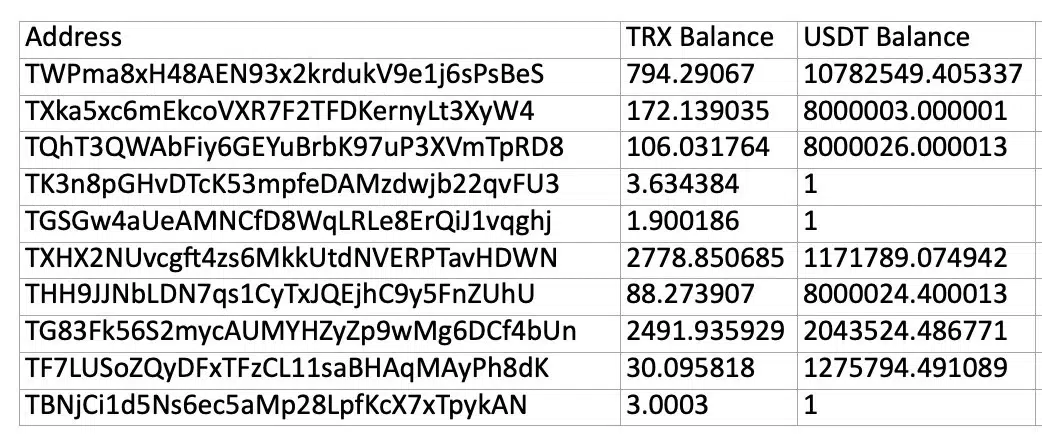
MistTrack found the relevant addresses through the blockchain activity and labeling associated with the Xinbi Guarantee. The firm says that the reported addresses held the funds during the freezing by Tether. It does not mean that the company had explained why it implemented the measure or whether it happened due to a law-enforcement request.
Also Read | INJ Price Eyes $17 as Bullish Momentum, Staking, and Open Interest Surge
Xinbi Guarantee Draws Regulatory Scrutiny
Xinbi Guarantee became subject to international regulation due to allegations of involvement in illicit finance facilitated by cryptocurrencies. In March 2026, the UK imposed an asset freeze on Xinbi Company Limited and linked it to two TRON addresses. British regulators say that the company is associated with scam centres and human rights violations.
The recent freeze followed another action implemented on wallets linked to Huione Guarantee, another Telegram escrow network. Both incidents show how centralized stablecoin issuers could restrict certain addresses’ operations even though there is no issue with the underlying blockchain itself. Such action could prevent transactions for the user even though the blockchain works properly.
Tether USDT Controls Reshape Illicit Fund Flows
The case matters because Tether USDT remains widely used for dollar-denominated transfers across global crypto markets, particularly on TRON. Freezing some specific wallets will not affect the flow of USDT transfers outside the affected networks. This case highlights the practical implementation of controls on the issuer’s part regarding centralized stablecoins.
From the point of view of the crypto market as a whole, this case does not seem to have a great impact now since the amount of frozen USDT is negligible compared to the overall circulation of Tether USDT, which is still traded at par with the dollar. Everything else depends on the issuer’s confirmation and legality of this decision.
Also Read | Solana Price Holds Support as MoneyGram Boosts Payments Narrative