• Skip to primary navigation
  • Skip to main content
  • Skip to primary sidebar
  • Skip to footer
  • About TronWeekly
  • Write for us
  • Terms and Conditions
  • Privacy Policy
  • Disclaimer
  • Contact
  • All Posts
  • Advertise

TronWeekly

Crypto World News

  • Home
  • Latest News
  • Opinion
    • Education
    • Best TRON Wallets
    • Beginner’s guide to TRON
    • Tron Tokens
    • Market Analysis
  • Industry
    • Tron Exchange
    • Project Review
  • Press Release
  • Bitcoin (BTC)
  • Ripple (XRP)
  • Advertise
  • About TronWeekly
    • The Team
    • Editorial Policy
    • Write for us
    • Privacy Policy
    • Disclaimer
    • Terms and Conditions
    • Contact
You are here: Home / Cryptocurrency News / World / USDT Demand Surges in Venezuela 2026 Amid Bolivar Slump

USDT Demand Surges in Venezuela 2026 Amid Bolivar Slump

What to know:

  • USDT demand surges as the bolivar drops 16% in 30 days. Venezuelans use it to preserve value, not speculate.
  • P2P becomes the USD-on-ramp bypassing banks for fast, local USDT conversions used in remittances and daily spend.
  • P2P/exchanges bring counterparty, compliance, and rate-gap issues despite boosting financial inclusion.

By Ananthyka J | Edited By Messam Raza,June 18, 2026, 10:00 AM

USDT Demand

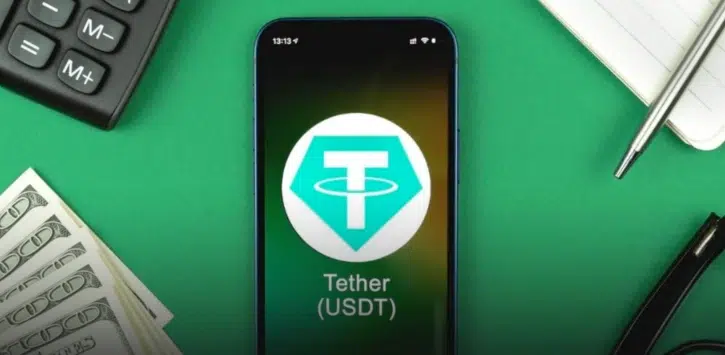
USDT demand has surged as Venezuela’s currency woes reignite interest in digital dollar alternatives. Based on various reports, Venezuelans are turning to Binance P2P markets in large numbers to get USDT as their national currency, the bolívar, steadily loses its value.

In fact, the stablecoin has been trading approximately 16% higher against the local currency over the past month, indicating a rising tilt towards crypto for safeguarding value. This pattern is only a reflection of how stablecoins are becoming a favoured option in countries experiencing foreign exchange market turbulence.

P2P Bypasses Banks

With P2P becoming a significant platform for converting bolivar to USDT, rising USDT demand allows peer-to-peer settlements without the involvement of traditional banking channels. The increased level of transactions reflects that, in reality, users are looking for liquidity, speed, and confirmed marketability through a platform that also enables local payment methods.
USDT demand
Source: Binance

Usually, when USDT purchasing power rises on P2P trading venues, it is considered a harbinger of the broader market for digital assets, attracting retail clients during times of currency stress.

Also Read: BlockDAG’s Refer & Earn USDT Offer Drives Demand, Presale Crosses $174.5M; Ethereum Staking Booms & Bitget Token Dips 17%

Macro Drivers Behind Stablecoin Use

The 16% increase of USDT against the bolivar in 30 days reflects continuing inflation, foreign currency scarcity, and rising USDT demand. For most people in Venezuela, stablecoins serve as a US dollar equivalent they use to send remittances, save, and carry out day-to-day transactions.

Para nadie es un secreto que el #USDT predomina en el mercado cambiario de Venezuela. Cuando la hiperinflación esta pulverizando al bolívar , el dólar en efectivo es escaso y la banca tradicional carece de liquidez , la Stable USDT se convertido en el único refugio y elemento de… https://t.co/ZMTqxlpn43

— Gabo (@GaboCriptoCoin) June 17, 2026

Here, USDT and similar digital currencies become merely instruments of settlement rather than tools of speculation, which is the pattern of blockchain implementation in most emerging economies.

Also Read: Tether Freezes $72M USDT After Monero Surge Raises Market Questions

Opportunities and Risks

More use of stablecoins can enhance financial inclusion and the efficiency of cross-border flows. Still, the surge in USDT demand via centralized exchanges and P2P networks also means participants must consider counterparty risk, platform compliance, and regulatory oversight. As USDT demand keeps rising, market participants also have to factor in the price differences between the on-chain and the local rates.

Also Read: HTX WLFI Freeze Triggers USD1 Conversion to USDT

Filed Under: World, Cryptocurrency News, Industry

About Ananthyka J

Ananthyka J is a market reporter at Tronweekly, reporting on cryptocurrency news. She covers cryptocurrency markets, blockchain technology, and digital asset regulation, focusing on Bitcoin, Ethereum, DeFi, altcoins, and crypto policy. Her reporting emphasizes clear and accurate market coverage, including crypto market movements, regulatory developments, and blockchain adoption. She holds a BA in Journalism and Mass Communication and an MA in Communication and Media Studies. She has also completed multiple media internships, follows strict editorial and fact-checking standards, and discloses potential conflicts of interest when reporting.

🔗 Connect on LinkedIn

Twitter LinkedIn

Primary Sidebar

Recent Posts

  • USDT Demand Surges in Venezuela 2026 Amid Bolivar Slump June 18, 2026
  • CME Group Warns of Massive 2008-Style Risks, Files Suit June 18, 2026
  • Aave Fair Value Projected to Rise Toward $175 Within Year June 18, 2026
  • Binance Risks Losing Massive Access to 27 EU Nations June 18, 2026
  • Chainlink Price Holds Above $8 as OKX Adoption Highlights $80 Trillion RWA Opportunity June 18, 2026

Footer

News

  • Latest News
  • Altcoin News
  • Bitcoin (BTC)
  • Blockchain
  • Tron (TRX)
  • World

Digest

  • Meet the Founder
  • Price Winning Article
  • DeFi
  • Cyber Security
  • Crypto Scam

Industry

  • Project Review
  • Technology
  • Fintech
  • Tron Exchange
  • New in Town

Tron Universe

  • Event and Tron Parties
  • New in Town
  • Tron Tokens

FOLLOW US

  • Facebook
  • Telegram
  • Twitter
  • Linkedin

Subscribe US

Editorial Policy | Privacy Policy | Disclaimer | Terms and Conditions | Masthead

Copyright © 2026 · Tron Weekly. All Rights Reserved. NOTE: Tron Weekly is an independent crypto news site that adheres to the strict journalism policy anchored on transparency, trust, and objectivity, we have no affiliation with the TRON Foundation, its founder Justin Sun or any other cryptocurrency firm.