South Korea is moving toward a capital-market framework that could put stocks, bonds and funds onchain, with Avalanche linking its network to the initiative. The development matters because it connects blockchain infrastructure with securities issuance, trading, clearing and settlement rather than limiting tokenization.
South Korea Sets 2027 Timeline for Tokenized Securities
South Korea’s Financial Services Commission said on September 4 that it will build infrastructure for tokenizing securities, including stocks, bonds and funds. The regulator’s roadmap begins when revised securities legislation takes effect in February 2027, with tokenization of private money-market funds and bonds among the first steps.
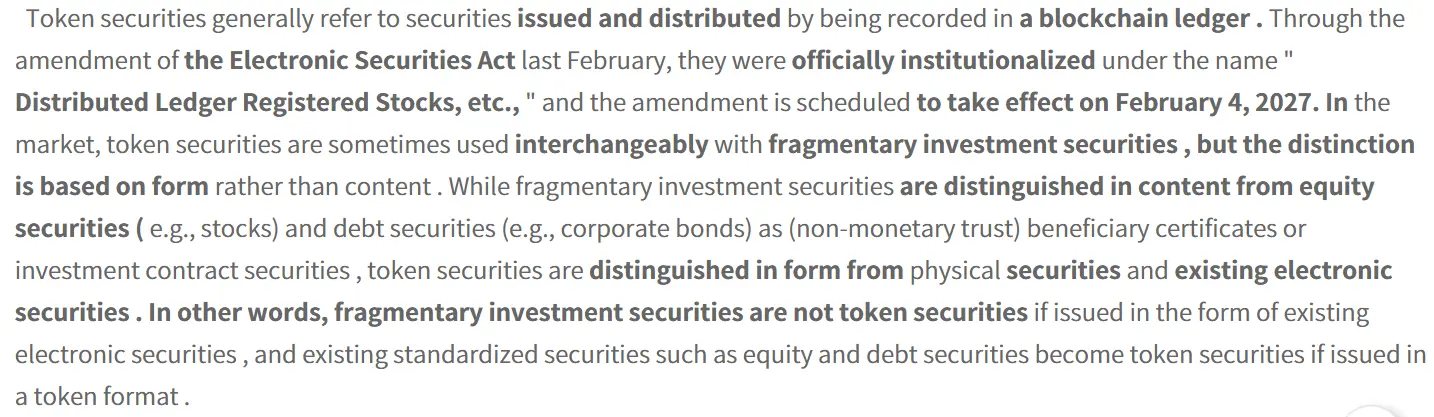
The FSC also said the goal is broader than fractional investment products. Vice Chairman Kwon Dae-young said authorities want to connect “the entire value chain of the capital market” through a capital-market approach, covering issuance, trading, clearing, settlement, and rights. This creates a regulatory foundation for blockchain-based infrastructure.
Also Read: Avalanche (AVAX) Price Eyes $8.50 Breakout as Bullish Reversal Setup Emerges
Avalanche Connects Its Network to Korea’s 2027 Market Plans
Avalanche said the Financial Services Commission and Korea Securities Depository are laying groundwork for capital markets onchain, powered by Avalanche. The company described the effort as covering the market stack, from issuance and trading through clearing, settlement, and investor rights.
However, the distinction matters for readers. The FSC’s September 4 release confirms the tokenization roadmap but does not name AVAX as the blockchain platform, so AVAX’s role should be understood as its stated involvement rather than a government designation. That leaves the implementation architecture and technology arrangements important areas to watch.
Tokenization Could Change Settlement and Market Access in 2027
Putting securities onchain could reduce fragmentation between issuance, ownership records and settlement processes. For financial institutions, the potential benefit is a more connected digital workflow, while investors could eventually gain access to securities with faster and programmable transactions.
Yet tokenization does not automatically remove financial or regulatory risks. Korea’s framework still emphasizes investor protection, standardized distributed-ledger requirements and controlled market infrastructure. The outcome will depend on how blockchain systems interact with securities rules, custody arrangements and oversight.
AVAX Exposure Depends on Real Network Adoption in Korea
For Avalanche, the development could strengthen its institutional positioning if Korean capital-market applications actually move into production. That would matter more than a partnership because sustained transaction activity, institutional users and tokenized assets could create measurable demand for Avalanche infrastructure.
The next milestone is regulatory implementation ahead of February 2027. Market participants should watch whether Korea’s tokenized securities infrastructure formally integrates AVAX, how many institutions participate, and whether live issuance and settlement generate meaningful onchain activity.
Until those details emerge, the announcement is best viewed as a tokenization signal rather than proof of nationwide migration.
Also Read: AVAX Price Eyes $8.41 as Avalanche DeFi TVL Climbs to $488.5 Million