KRW1 Stablecoin is moving toward payments after BDACS partnered with Rain to connect the won-backed asset to Visa’s network. The initiative could let users spend KRW1 across more than 175 million Visa merchant locations.
KRW1 Stablecoin Moves From Pilot Toward Global Payments
BDACS said Rain will provide payment infrastructure for the initiative. Rain connects stablecoins with card payments, while BDACS remains responsible for KRW1 issuance and custody. The companies said users could make purchases without converting KRW1 into another stablecoin.
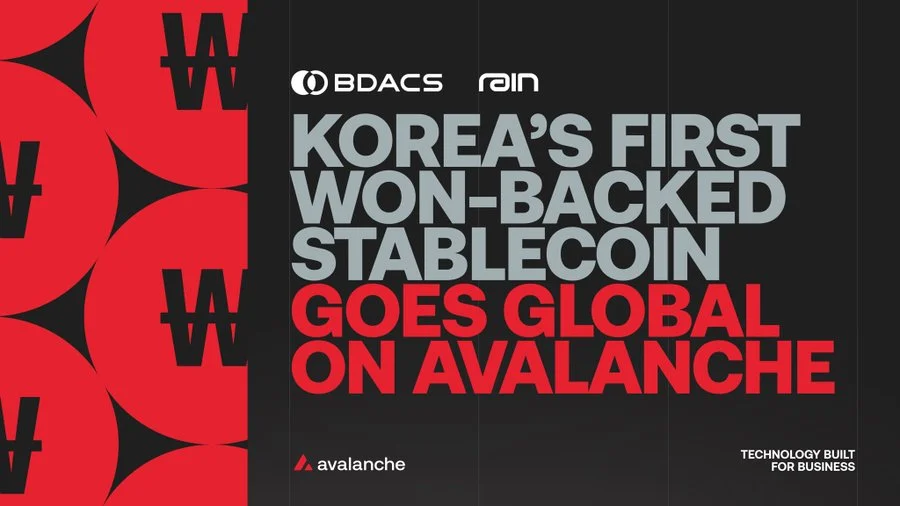
KRW1 launched on Avalanche in September 2025. BDACS said the stablecoin is fully backed by Korean won held at Woori Bank, with banking API integration supporting reserve verification.
Also Read: Aptos Adds KRW1 Stablecoin Through BDACS Partnership
Visa Integration Expands KRW1 Stablecoin Use Cases Abroad
The infrastructure could make KRW1 useful beyond crypto applications. Users could spend a won-denominated digital asset while merchants continue using Visa’s acceptance network. This creates a bridge between local-currency stablecoins and international commerce.
The timing also reflects growth in local-currency stablecoins. Visa reported that non-dollar stablecoin supply reached $1.2 billion by February 2026, rising about 90% year over year. That indicates demand is expanding beyond dollar tokens, although KRW1’s payment volume remains unreported.
KRW1 Stablecoin Faces Regulation as Korea Sets New Rules
Regulation remains central to KRW1’s expansion. The Bank of Korea has warned that won-backed stablecoins could affect monetary policy, foreign exchange markets, financial stability and payments. It has advocated safeguards and a bank-centered approach to issuance.
That makes BDACS’s relationship with Woori Bank relevant. KRW1 uses bank-held reserves and institutional infrastructure rather than crypto-native collateral. Commercial availability will depend on Korea’s evolving digital-asset framework.
KRW1 Stablecoin Adds Cross-Chain Rails Before Global Payments
The Rain partnership follows BDACS’s September 8 selection of LayerZero’s OFT standard for KRW1. BDACS said KRW1 already operates across Ethereum, Avalanche and Circle’s Arc, but cross-chain friction has limited its distribution and utility.
The company selected LayerZero’s OFT standard so KRW1 can use a unified supply across connected networks, with tokens debited on one chain and credited on another. LayerZero says its OFT infrastructure has processed $280 billion in lifetime transfers across more than 170 chains.
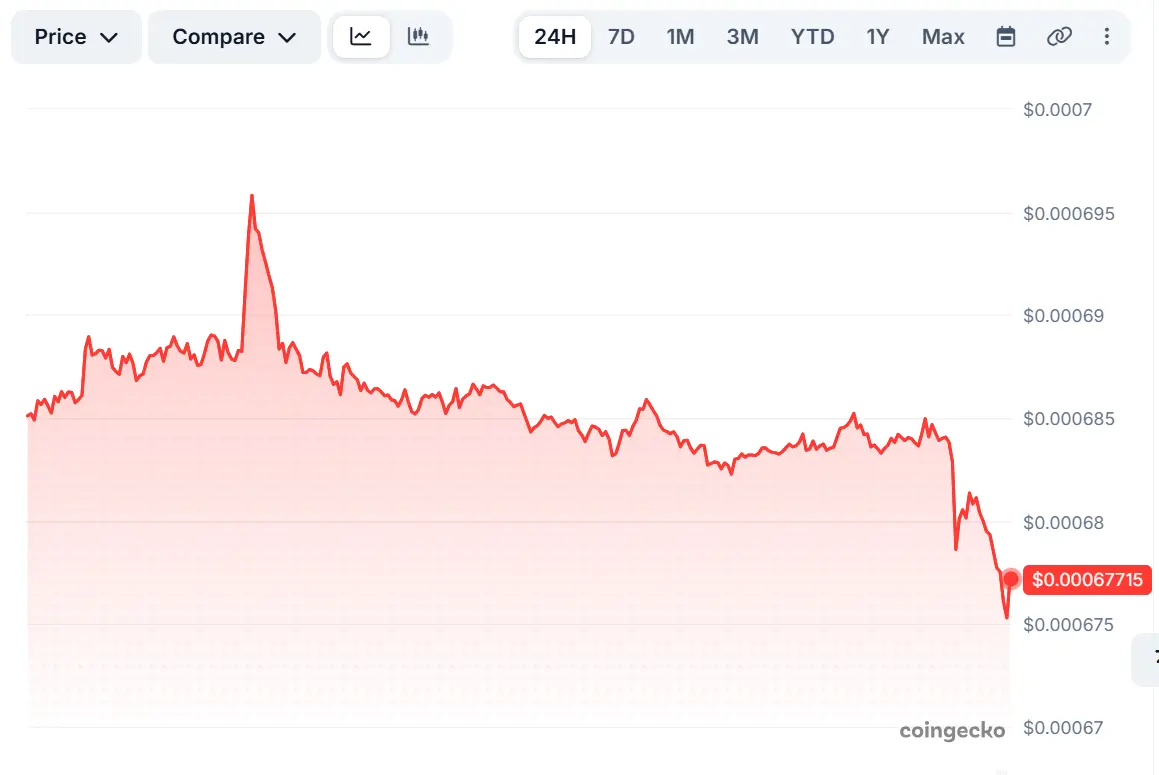
KRW1’s current market activity remains limited. CoinGecko lists the stablecoin at around $0.00067715, with 24-hour trading volume of about $837.87 and a total supply of 100 million tokens.
Also Read: Avalanche Powers KRW1: South Korea’s First Won-Backed Stablecoin by BDACS