The Nvidia buyback has been increased further by $150 billion because the chipmaker keeps benefiting from the demand for AI infrastructure.
Table of Contents
With Nvidia’s most recent announcement, its share buybacks are at $235 billion, which means that the company will have more leeway for returning value to its stockholders and supporting the development of its AI segment.
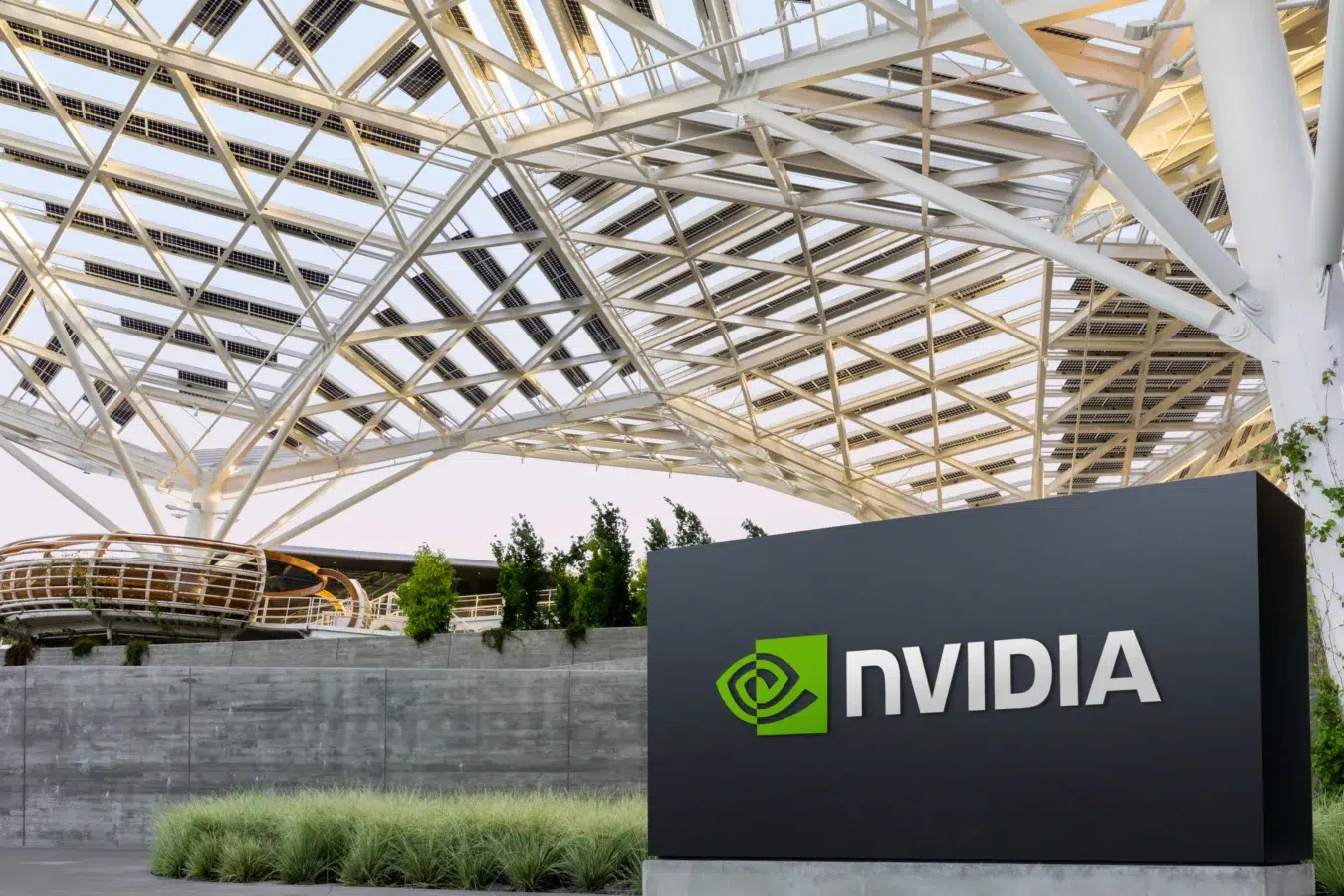
There is a reason behind Nvidia’s decision to have sufficient cash available for its investors. According to the latest financial reports, Nvidia has generated revenue of $96.2 billion in Q2 of fiscal 2027, marking an increase of 106% compared to the previous year. Meanwhile, the Data Center revenues have grown by 117% and amounted to $89 billion.
Also Read | Strategy Bitcoin Purchase Adds 1,665 BTC as Holdings Reach 847,666
Nvidia Buyback Reaches $235 Billion
With this new Nvidia Buyback approval, $150 billion will be added to the existing stock buyback scheme of the company. According to Nvidia’s latest announcement, it will utilize this expanded approval till 2028 fiscal year.
This step will make Nvidia capable of spending much more than before on its shares. At the end of the latest quarter, the remaining balance under its old authorization was $99 billion.
Nvidia is continuing with its capital return program by making share buybacks and paying dividends. For this quarter, Nvidia has returned to its shareholders around $26 billion, indicating the cash flow from its AI business.
The Nvidia Buyback Program expansion happens in light of the fact that Nvidia continues to have a reputation of being one of the largest suppliers of chips and computer systems for the development and operation of AI models.
Nvidia Expands AI Safety Technology
Nvidia is going further than just working on AI hardware by coming up with tools that will make AI agents more secure.
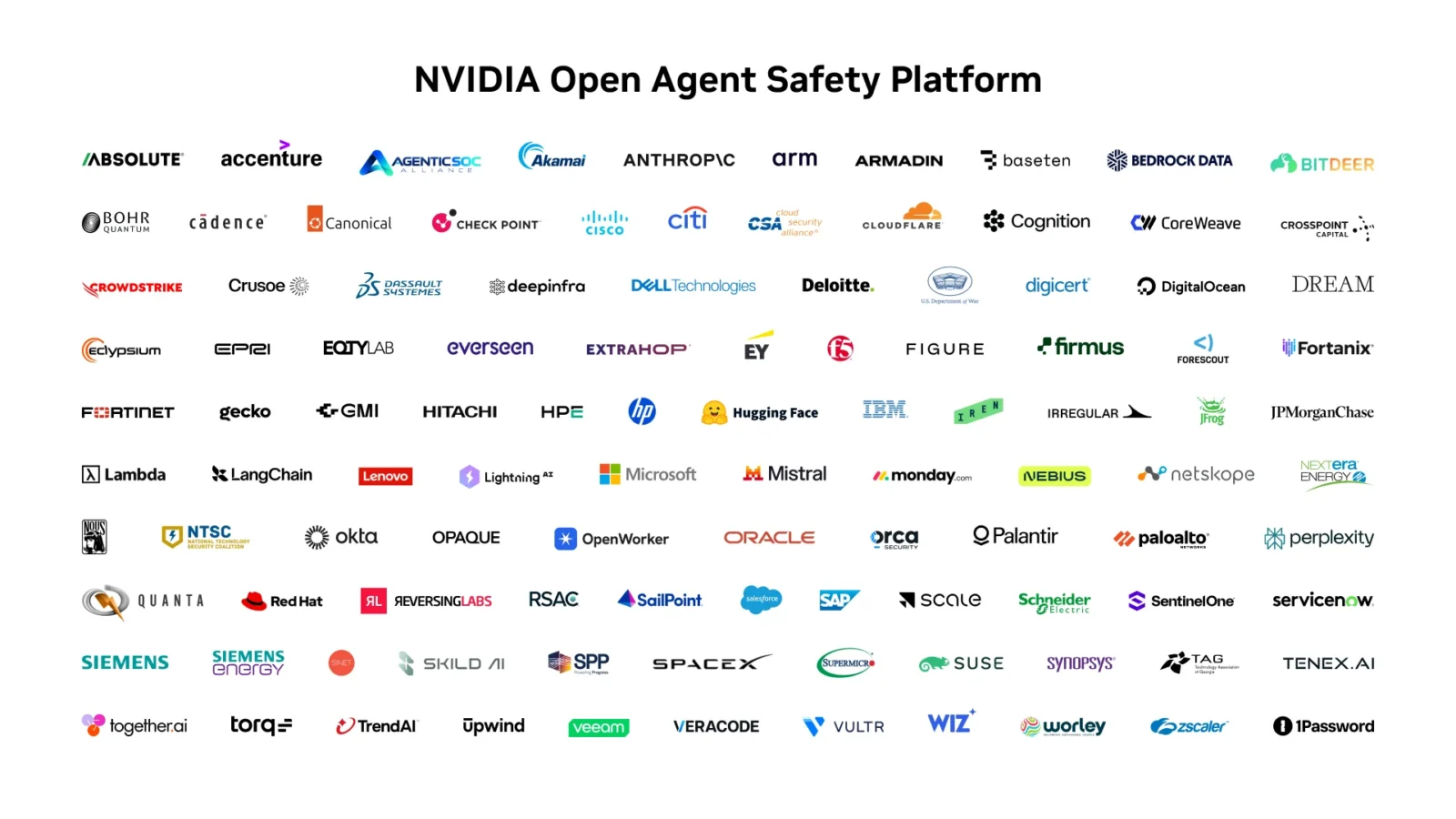
Nvidia has recently launched the NVIDIA Open Agent Safety Platform. It is an initiative to ensure the security and governance of AI agents. The initiative entails the use of software and hardware controls to govern interactions between AI agents and applications, data, and computing infrastructure.
This follows the fact that AI agents are becoming increasingly sophisticated enough to handle more complex jobs with fewer human inputs.
There have also been reports from leading AI firms that advanced AI agents managed to communicate with sensitive computer systems, thus bringing the issue of security threats facing autonomous agents into the limelight.
Jensen Huang, the CEO of Nvidia Corporation, has characterized AI safety as a technological issue that can be tackled with improved technologies. The new solution by Nvidia involves incorporating security measures into the AI infrastructure.
IBM and SAP Support Nvidia AI Safety Platform
IBM announced on September 28 that it will be collaborating with Nvidia for its Open Agent Safety Platform with technology related to agent identity, credentials, hybrid cloud infrastructure, and hardware security.
The IBM technology will assist in giving the AI agents a verified identity and also restricted access to the resources. The company will collaborate with Nvidia to secure the deployment of AI agents.
SAP also has plans to collaborate with Nvidia in developing OpenShell, which is intended to deliver an environment for enterprise AI agents that can be controlled. The collaboration will be about providing enterprises with more control of how autonomous agents function in their business processes.
It is clear from the two developments that Nvidia is seeking to diversify its activities in the AI industry. While the Nvidia Buyback indicates that Nvidia is capable of generating returns for its investors, the safety initiatives reveal Nvidia’s efforts in developing software for autonomous AI.
As the company’s revenue keeps growing rapidly while its Data Center division provides the largest share of total revenue, the corporation simultaneously delivers value to its shareholders and invests in technologies necessary for future AI implementation.
Also Read | Ondo Finance Expands Tokenized Assets Across Major Networks