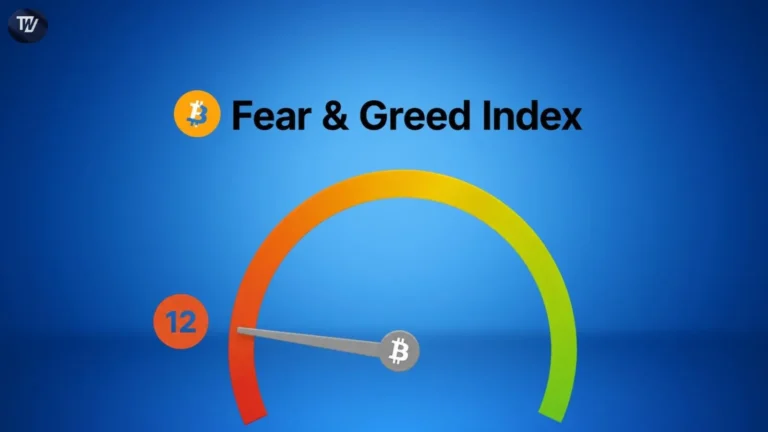
According to Alternative.me‘s Crypto Fear & Greed Index data, the index has dropped to 12, which indicates that the sentiment has been pushed into the “Extreme Fear” category, and it also shows a decrease from 17 the day before. This shift is one of the lowest levels in 2026, and it indicates that Bitcoin, Ethereum, and altcoin markets have become risk-averse again.
Summary of Events and Participants
The Crypto Fear & Greed Index uses a combination of volatility, volume, social media, dominance, and survey data to measure market sentiment. The change from 17 to 12 within 24 hours shows that there has been a significant alteration of the positions held by retail investors and traders.

Some of the main players are data aggregator Alternative.me, large exchanges, e.g. Binance and Coinbase, ETF issuers like BlackRock and Fidelity, and on-chain analytics companies like Glassnode and CryptoQuant that monitor capital movements.
Also Read: Unlicensed Crypto Firms Face EU July 1 Deadline Shock
Why It Matters to the Industry
Crypto Fear & Greed Index are the sentiments that are usually a forecast of market environment changes, like a surge in volatility and a decrease in liquidity on the market.
For individual investors and big investment institutions, such a pattern could be signalling a very risky point for the market. Yet, it has also been a marker of zones where investors have historically been accumulating their positions. For exchanges, these situations might lead to a drop in the spot and derivatives segments.
Meanwhile, developers building DeFi protocols and stablecoin rail systems are also likely to experience lower user engagement levels as the Crypto Fear & Greed Index falls.
Regulators keep an eye on such big mood changes in the Crypto Fear & Greed Index as they tend to coincide with major flows into BTC ETFs and stablecoins, the latter having experienced net inflows per CoinShares’ weekly reports.
Also Read: Crypto Adoption in 2026 Surges Behind Weak Prices As Institutions Rise
Broader Context and What Happens Next
This drop is consistent with various other macro factors. Although central bank gold purchases and BTC ETF inflows are still at high levels, risk assets continue to be repriced due to liquidity being tightened.
The sentiment is linked to the post-ETF dynamic, where institutions have gained exposure through regulated products even as retail trader sentiment lags behind.
Next, markets will watch for a rebound above 25 on the Crypto Fear & Greed Index, SEC or CFTC commentary, and whether Glassnode data shows renewed long-term holder buying.
Also Read: Anthropic’s Claude Tag 2026 Threatens Crypto SaaS With AI Shift