The Qubic attack drained approximately 2.94 trillion QU tokens worth around $1.3 million from 1,404 wallets between October 17 and 18, 2026. The Layer 1 network halted transactions after identifying the incident, while 87.1% of the stolen funds remained frozen on-chain. The remaining tokens were transferred to MEXC, where the receiving account was also frozen.
Table of Contents
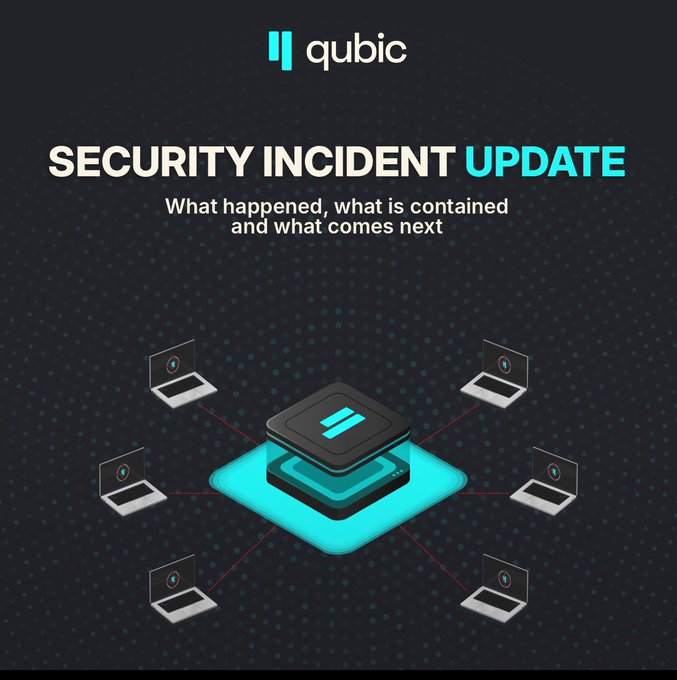
The incident resulted from weaknesses in wallet seed generation rather than a direct exploit of the Qubic attack blockchain protocol. The attacker exploited insufficient randomness in seeds generated by certain Apple devices and browsers. Qubic has since released version 4.26.4 to address the vulnerability, while decisions about recovering the stolen funds remain with its Computor quorum.
Also Read | Solana Leads Stablecoin Transfers as SOL Price Eyes Macro Breakout
Qubic Attack Exposes Wallet Seed Weakness
According to Qubic, the hacking took place between 23:42 UTC on October 17 and 01:26 UTC on October 18. The network’s nodes, called Computors, agreed on pausing the system at tick 85,371,949, freezing all transactions on the network. This ensured that no further movement of the assets takes place during the investigation into the hacked wallets and funds.
The vulnerability involved insufficient randomness in the generation of 55-character wallet seeds. A seed helps establish the cryptographic credentials that control a wallet. When the seed generation process is predictable, it makes it easier for the hacker to determine valid credentials to access the funds without breaching the cryptography of the blockchain network.
Qubic Attack Leaves Most Funds Frozen
According to Qubic, 87.1% of the tokens hacked were left in the network during the network halt. The other 12.9% (equivalent to 379.04 billion QU) was moved to a MEXC deposit address. From Qubic’s statement, the receiving account was frozen by the exchange soon after the transaction was made.
The combined restrictions limited the attacker’s ability to move the reported assets. However, frozen tokens do not automatically mean affected wallet holders have received reimbursement. As indicated on the QubicMap community checker website, there are 1,404 affected addresses, and one can check whether his/her address is listed using the public-address check option of the on-chain transfers.
Additionally, according to Qubic, the exchanges have been informed while Bitget suspends Qubic deposits and withdrawals for maintenance. The two actions affect people who want to move their tokens through the exchange platforms.
Computor Quorum Will Decide Recovery
According to Qubic, future actions will depend on the company’s Computor quorum that will consider all possible solutions within the scope of the network regulations. The company has been working on identifying the addresses and possible recovery plans for the validators, while the community voting is supposed to give some advice. The final recovery and the plan to reimburse the damage have yet to be decided.
The victims were asked to file a case in the nearest police department and indicate their wallet numbers, amounts of the money lost, and the transaction links. In addition, Qubic attack recommended not to use any private messages, seeds, and recovery services offered at any charge as such people usually appear after the victims of cryptocurrency thefts.
The Qubic attack shows that vulnerable wallet software can lead to huge losses for cryptocurrency owners without any violations of the blockchain protocol itself. As for the seed generation problem, it seems to be solved, but there is no information about further actions and the recovery of lost money yet.
Also Read | Yuga Labs Mudwater Trading Cards Launches on Solana for BAYC Holders