Crypto users are trained to verify before they trust. Check the contract address. Match the network. Send a small test transfer first. Yet plenty of the same people choose the app that will hold their trading balance after a quick look at a star rating and a few polished screenshots.
That shortcut is worth replacing. App reviews still carry real value, as long as you know what they reveal and where they fall silent.
Why a Star Rating Only Tells Part of the Story
Trading app ratings squeeze thousands of very different experiences into one number. A first-time user locked out after a password reset leaves one star. A swing trader happy with the charts leaves five. Neither says much about whether the app suits the way you trade.
Sorting by most recent rather than most helpful usually gives a truer picture. Apps get redesigned and pricing changes, so praise from three years ago may describe a product that no longer exists. Look for patterns over outbursts. Repeated reports of frozen screens during big news releases, slow withdrawals or unanswered support tickets deserve far more weight than one furious post.
Then ask whether the reviews are genuine at all. In August 2024 the Federal Trade Commission finalized a rule banning fake consumer reviews, AI-generated ones included, along with paying for positive or negative feedback. It took effect that October and allows civil penalties, which makes the practice punishable rather than extinct. A sudden burst of five-star reviews, vague praise like “great app, very easy” and reviewer profiles with no other history all point to something manufactured.
What the Fake Trezor App Taught Crypto Holders
Few cases expose the limits of ratings so clearly. In early 2021 an app using the name of hardware wallet maker Trezor appeared on Apple’s App Store. According to The Washington Post, it slipped through review by posing as a password and file encryption tool before turning into a crypto wallet. Trezor offered no official iOS app at the time.
Phillipe Christodoulou downloaded it to check his balance, entered his wallet details and lost 17.1 BTC, then worth roughly $600,000. The listing carried a rating close to five stars, which is exactly why he trusted it. Blockchain analytics firm Coinfirm counted at least five victims and around $1.6 million in losses.
The problem has only grown. The FBI’s 2025 Internet Crime Report put losses from cryptocurrency investment fraud at $7.2 billion, the costliest category reported to its complaint center. Many of those schemes steer victims toward counterfeit trading platforms and apps that display fake profits.
Reach the app store through a link on the firm’s official website, and confirm the developer name matches the company you meant to use.
Check the Regulator Before You Check the Charts
No review substitutes for a registration check. In the United States, firms offering retail forex trading must register with the Commodity Futures Trading Commission and be members of the National Futures Association. The NFA’s BASIC database lets anyone search by firm name or NFA ID to see registration status and disciplinary history. It takes about two minutes.
Crypto features deserve their own scrutiny. Some apps route digital asset trades through a separate partner, and the disclosures at the foot of the download page show which company actually executes and holds them.
Features That Earn Their Space on a Small Screen
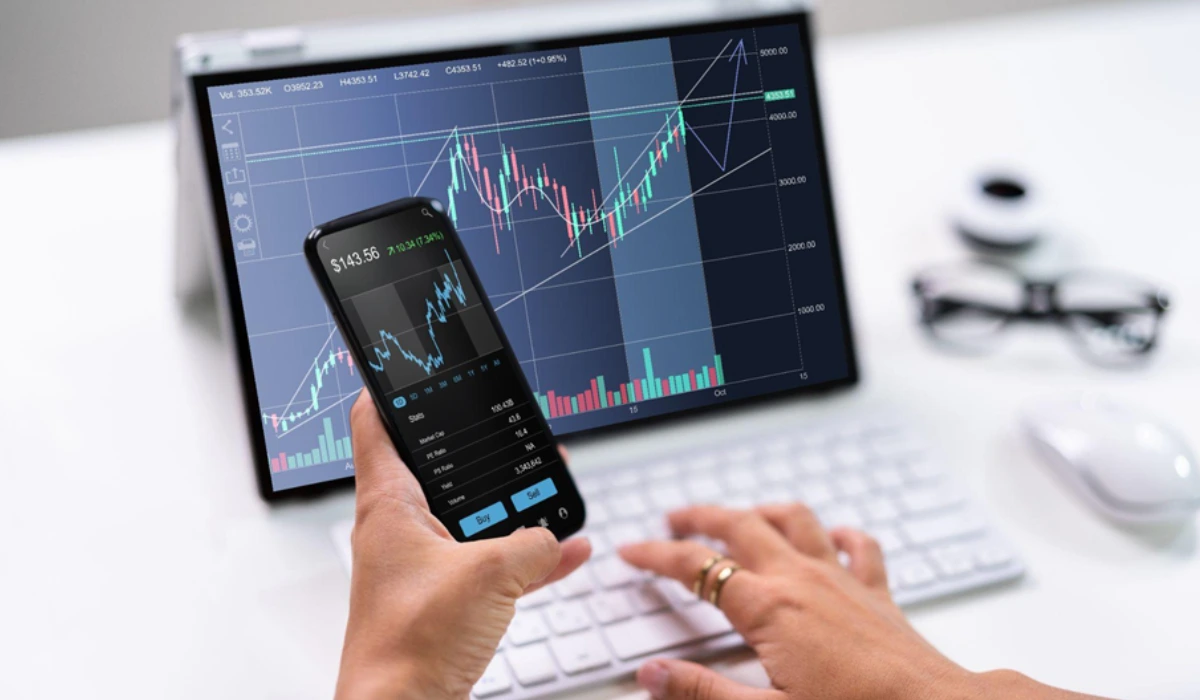
Once legitimacy is settled, the useful reviews are the ones that discuss tools. Charting comes first. Stronger apps offer dozens of indicators and drawing tools and let you open, adjust or close a position straight from the chart, dragging a stop-loss or take-profit level rather than digging through menus.
Alerts matter almost as much. Basic price alerts are standard now. Notifications tied to economic calendar events, or signals that fire when price crosses a trendline you drew yourself, are far more useful for anyone who cannot watch a screen all day.
Smaller details add up too. Saved default trade sizes speed up order entry, and minimum operating system requirements matter if you trade from an older tablet.
Write Your Own Review With a Demo Account
Most regulated brokers offer demo accounts funded with virtual money, and they make the most honest review you will ever read. Test the app during a busy session, such as a US inflation release or the monthly jobs report, rather than on a quiet Sunday. Watch whether charts keep refreshing, whether alerts land on time and how many taps it takes to close a position.
Send the support team a question and time the reply. Read the pricing page as well, covering spreads, commissions and overnight financing, so your first statement holds no surprises.
Final Thoughts and Short Checklist Before You Download
Make sure you do the following checks before choosing an app:
- Open the app store through the firm’s official website, never a social media ad.
- Match the developer name to the company.
- Search the firm on NFA BASIC or your local regulator’s register.
- Read recent one to three star reviews for repeated complaints.
- Test a demo account during a high-volume session.
- Confirm costs, funding methods and withdrawal times.
A rating tells you how other people felt. Due diligence tells you whether an app deserves your money. Crypto traders already apply that discipline on-chain, and it transfers neatly to the apps on their home screens.